
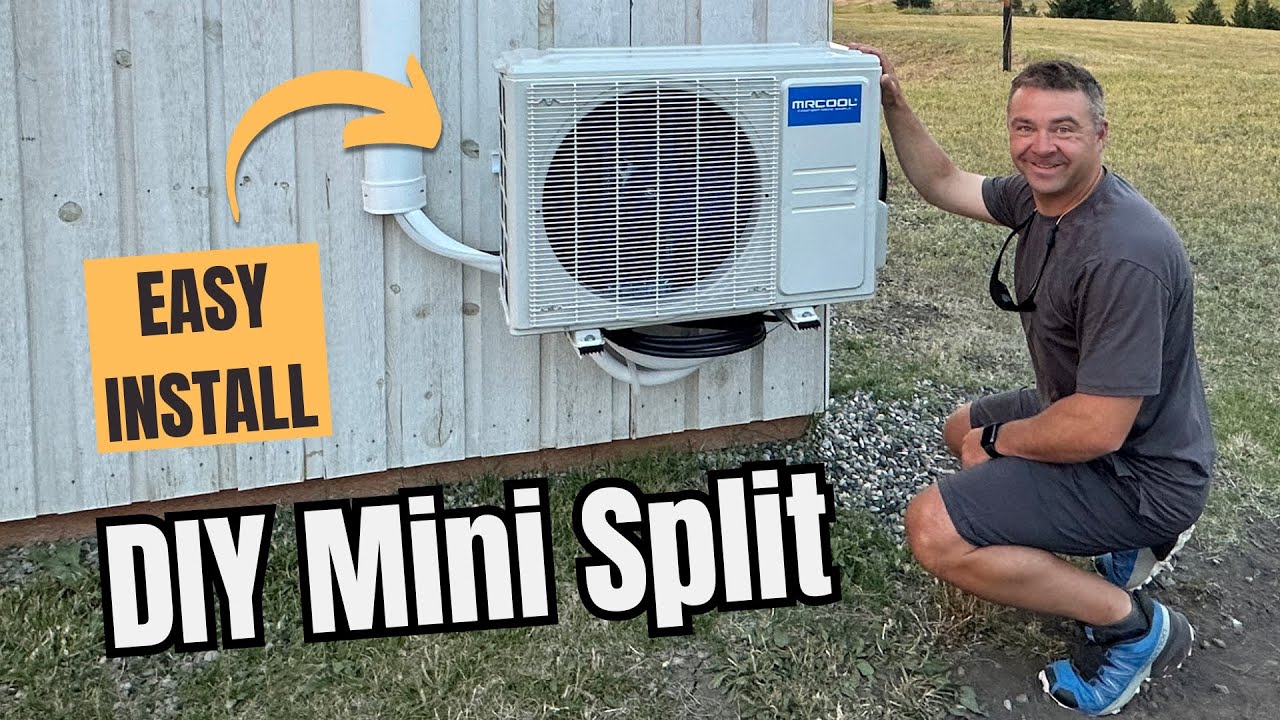
If you’re looking for an efficient way to heat and cool a shed, shop, or backyard office, installing a DIY mini split is one of the best upgrades you can make. In this project, I will show you how I installed a Mr Cool DIY mini split system in my backyard warming house/office and why it’s been a total game-changer.
This setup allows us to cool the space in summer, heat it in winter, and do it all without hiring an HVAC contractor. We've had this unit for the past couple of years and it has been a game changer in enjoying this space all year round.
Why I Installed a Mini Split
A few years ago, I built a 12x20 lean-to style building that originally served as a warming house for our backyard hockey rink. It was heated with a wood stove, which worked great but it wasn’t exactly convenient, especially when we had our second child and the warming house now doubled as my office space.
On hot 90° days, the space turned into a sauna. In winter, starting and tending a fire every time I wanted heat wasn’t practical. I wanted something efficient, quiet, and hands-off.
That’s where a ductless mini split heat pump was the best solution for us.
Why I Chose a Mr Cool DIY Mini Split
This project was sponsored by Mr Cool, a family-owned HVAC brand that specializes in DIY-friendly heating and cooling systems. Also note that there are affiliate links in this article. By using the links to purchase the items used in this project you are helping support our DIY Projects with Pete. Thank you!
This is what sold me on their system and made it the right fit:
- Pre-charged line sets (no vacuum pump or refrigerant handling)
- Can be installed by a DIYer
- Heat + cool from one system (which I can control from an app on my phone)
- Energy Star certified
- Solid warranty (7-year compressor, 5-year parts)
For this building, I installed the 12,000 BTU unit, which is rated to heat and cool up to 500 sq ft — perfect for my setup.
Mini Split System Components
The Mr Cool DIY kit includes three main components:
- Indoor Air Handler which mounts on the wall inside
- Outdoor Condenser that is mounted outside on a bracket or pad
- The Pre-Charged Line Set then connects the two units
Everything is designed so you, as a DIYer, can install it with basic tools and patience.
Step 1: Chose the Best Location for the Air Handler
Placement matters for both performance and looks.
I chose a corner in our warming house that had enough wall space for the unit, allowed the line set to exit straight out the back of the shed, and kept the exterior components hidden from the general view in the backyard.
Clearance requirements (check your manual):
I installed ours 5 inches on each side, about 6 inches from the ceiling and approximately 6.5 feet from the floor (recommended).
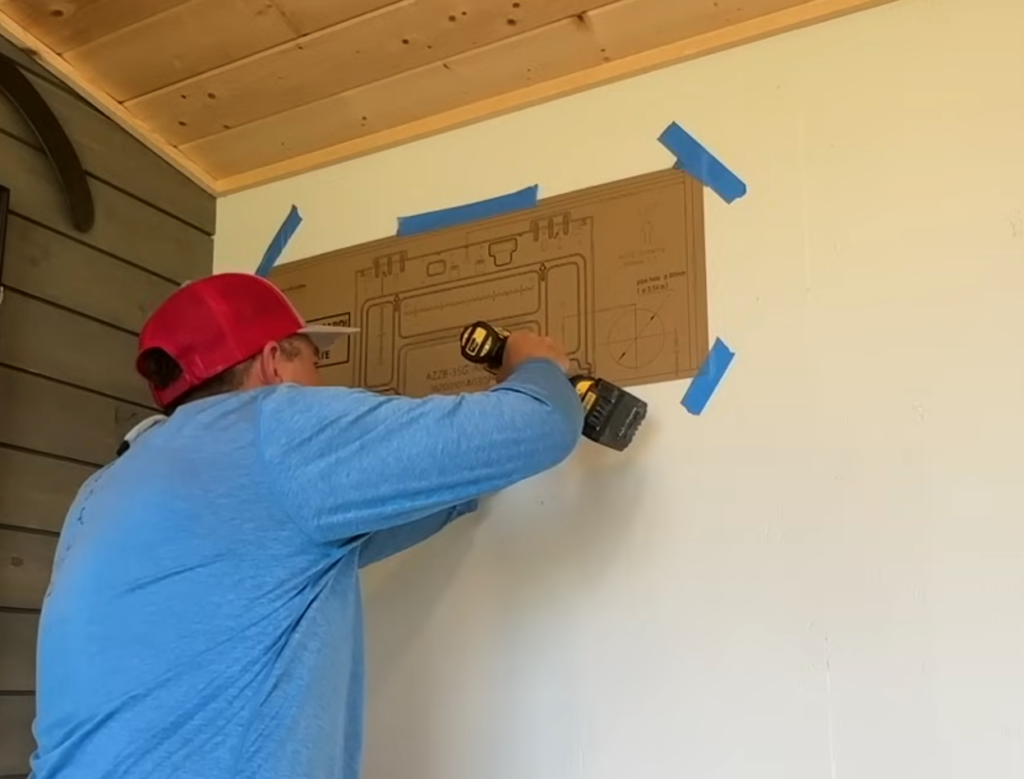
Mr Cool includes a cardboard mounting template, which makes layout much easier.
Step 2: Mount the Air Handler Bracket
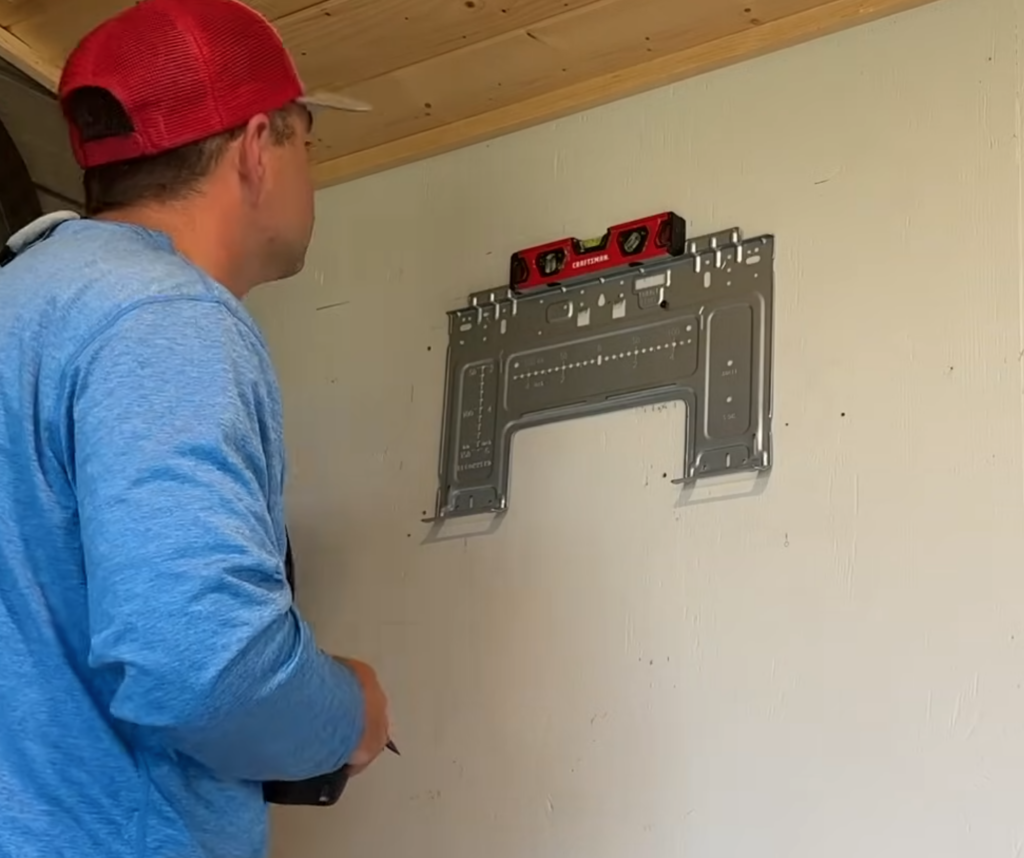
First, locate the studs using a stud finder (usually 16" or 24" on center) Next, level the template and pre-drill holes. Make sure to secure the bracket to studs when possible. My walls are ½" plywood, so I had plenty of strength. Dry wall anchors are recommended for anyone installing this in a house.
Important: Make sure the bracket is perfectly level so condensation drains properly.
Step 3: Drill the Wall Hole for the Line Set
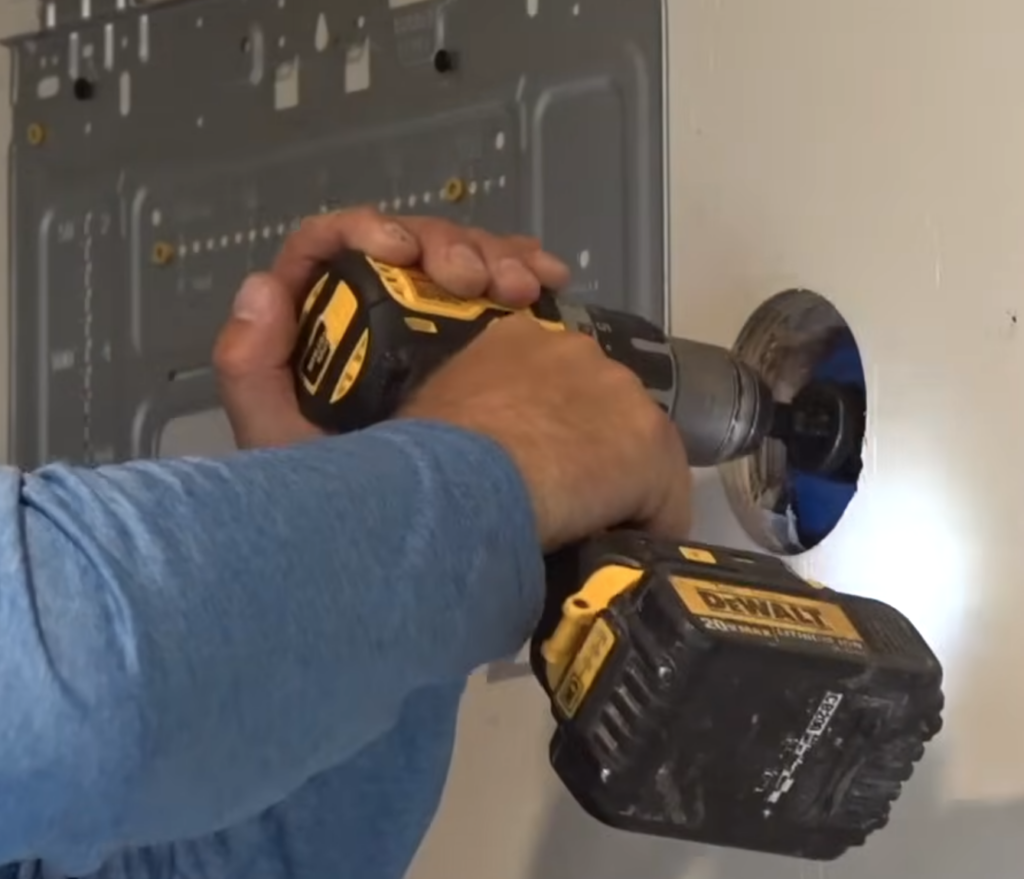
You’ll drill a 3½" hole through the interior wall, sheathing, and the siding.
Tips:
- Drill slightly lower on the exterior for proper drain slope
- Go slow — large hole saws have serious torque
- Clean debris out of the saw between each layer
Once this is done, a plastic sleeve slides through the hole and is sealed with silicone and spray foam.
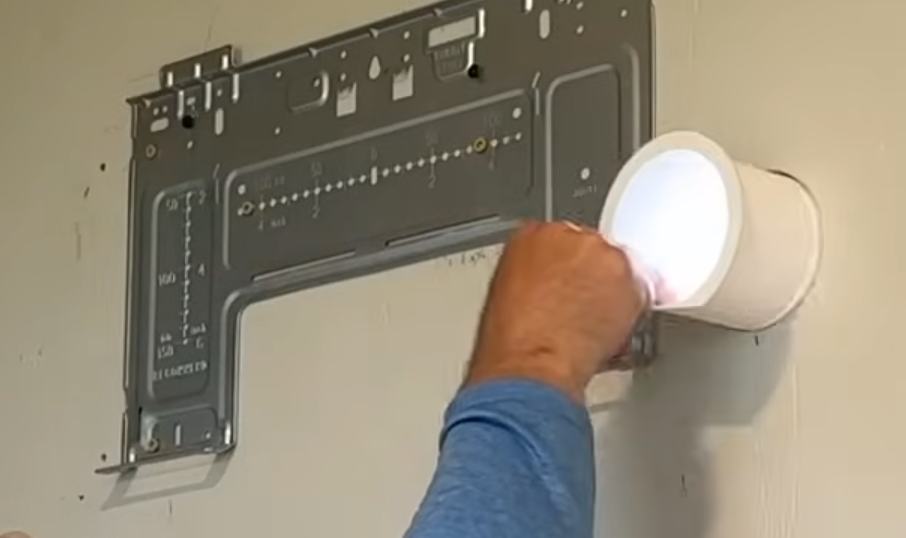
Step 4: Install the Indoor Air Handler
The air handler is surprisingly light and I was able to install it solo.
Begin with feeding the wiring and line set through the wall. You want to make sure to keep the drain line oriented downward during the install. Lastly, hang the unit on the bracket until it clicks into place.
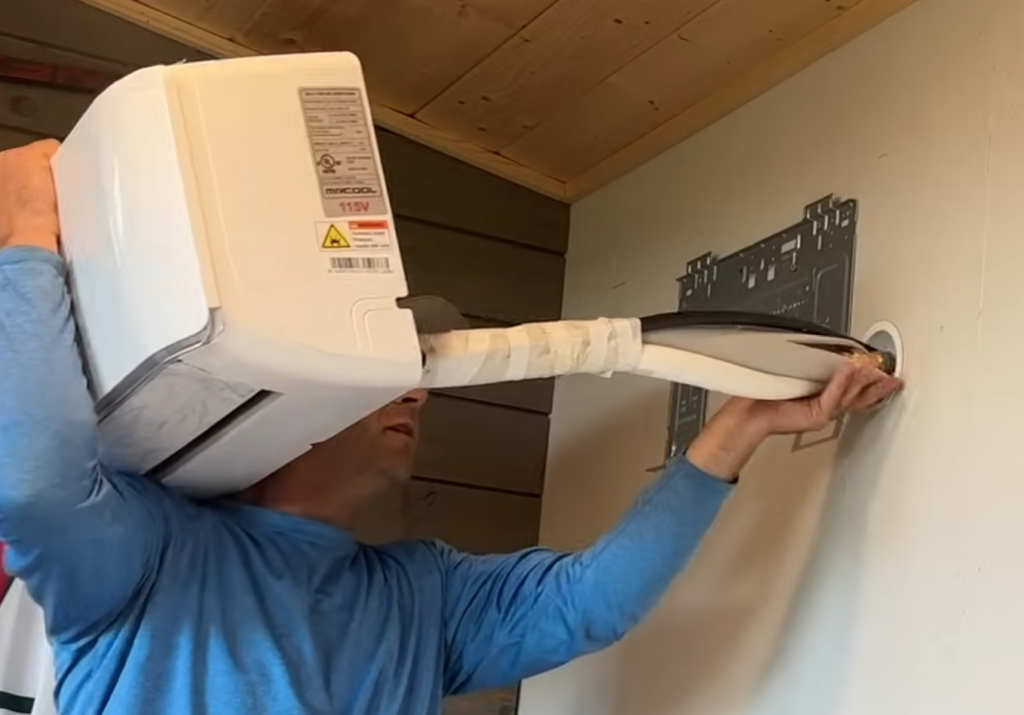
Once mounted, you'll be done with the interior part of the installation.
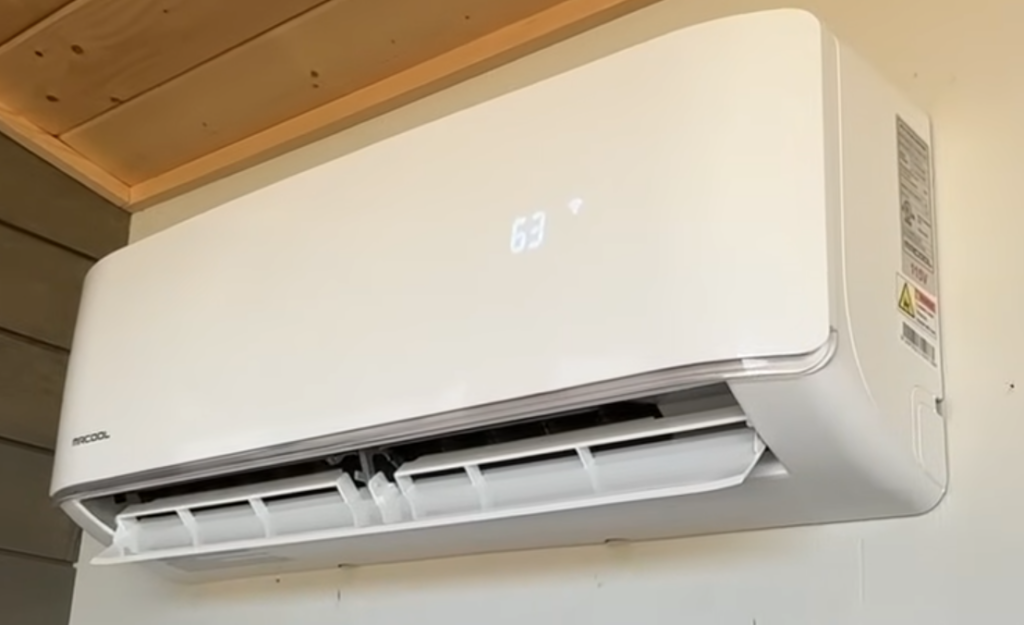
Step 5: Mount the Outdoor Condenser
To mount the outdoor condenser you can either pour a concrete pad or use a wall-mounted bracket (what I chose). I mounted mine about 18 inches off the ground to keep it above snow levels during Montana winters.
Rubber isolation pads were then installed under the condenser feet to reduce vibration and noise.
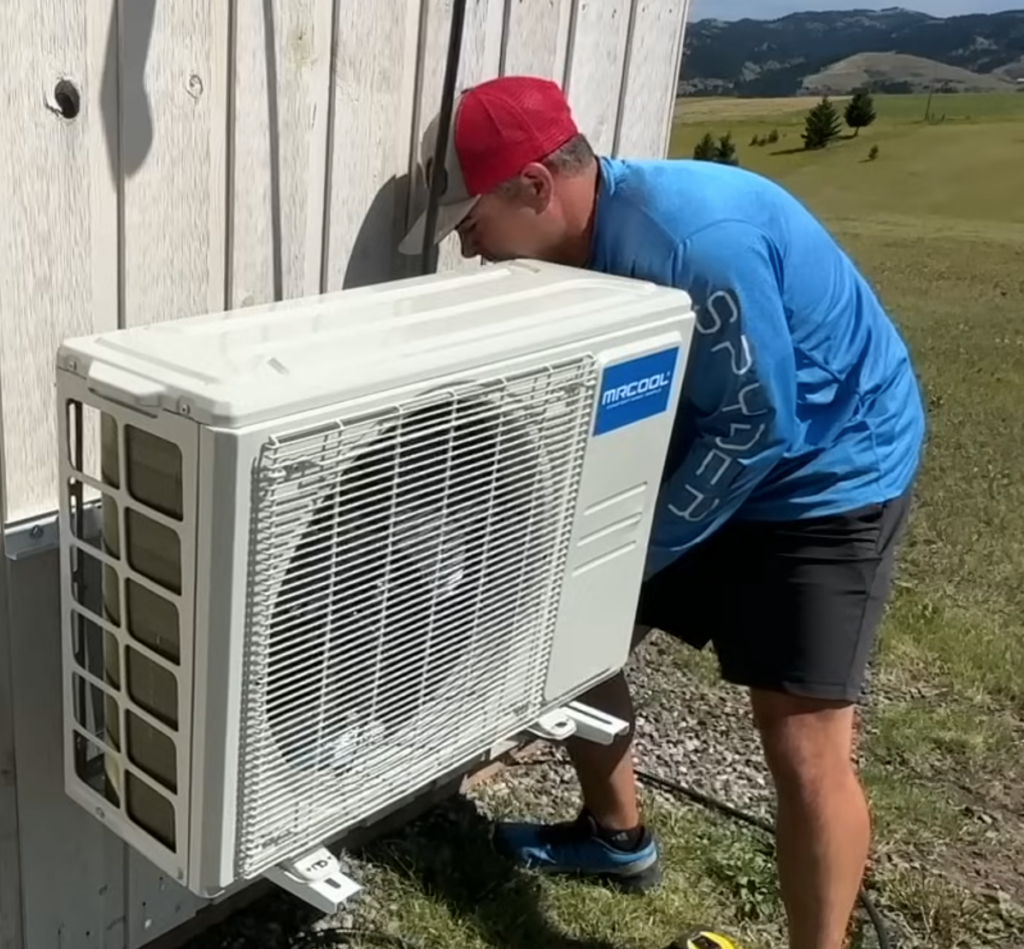
Step 6: Connect the Pre-Charged Line Set
The pre-charged line set is what makes the Mr Cool system truly DIY.
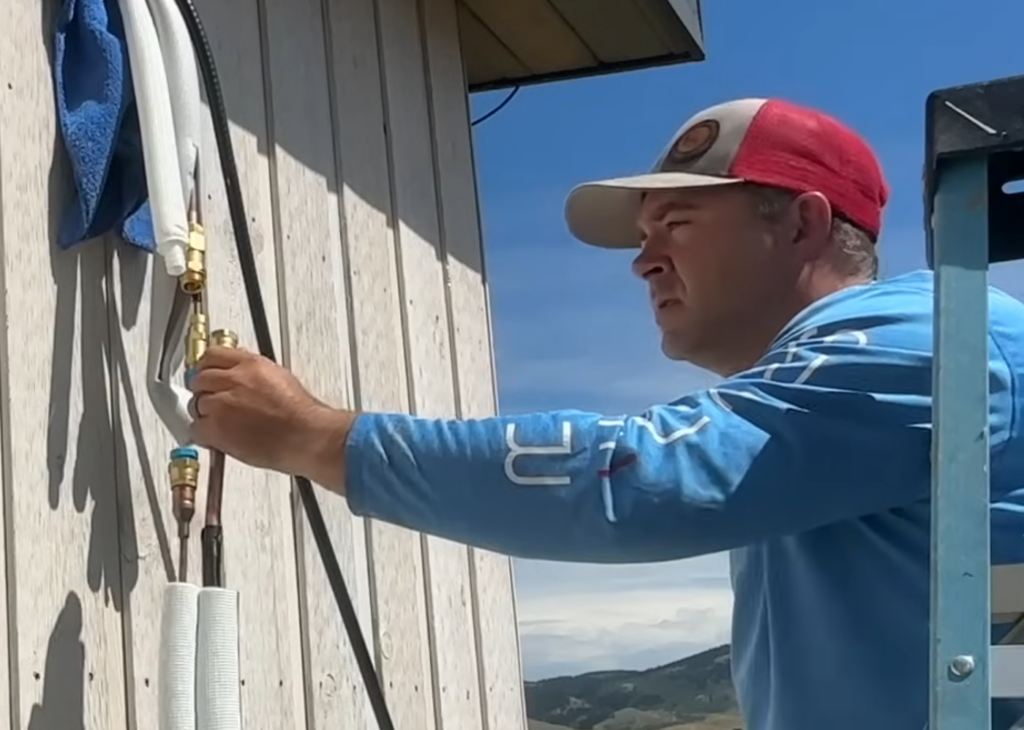
Carefully uncoil the line set and hand thread the color-coded fittings. Next tighten the fittings with two wrenches (snug, not over-tight). You then want to repeat for both the indoor and outdoor connections.
Once connected, you:
- Open the refrigerant valves with the supplied Allen key
- Listen as refrigerant fills the lines
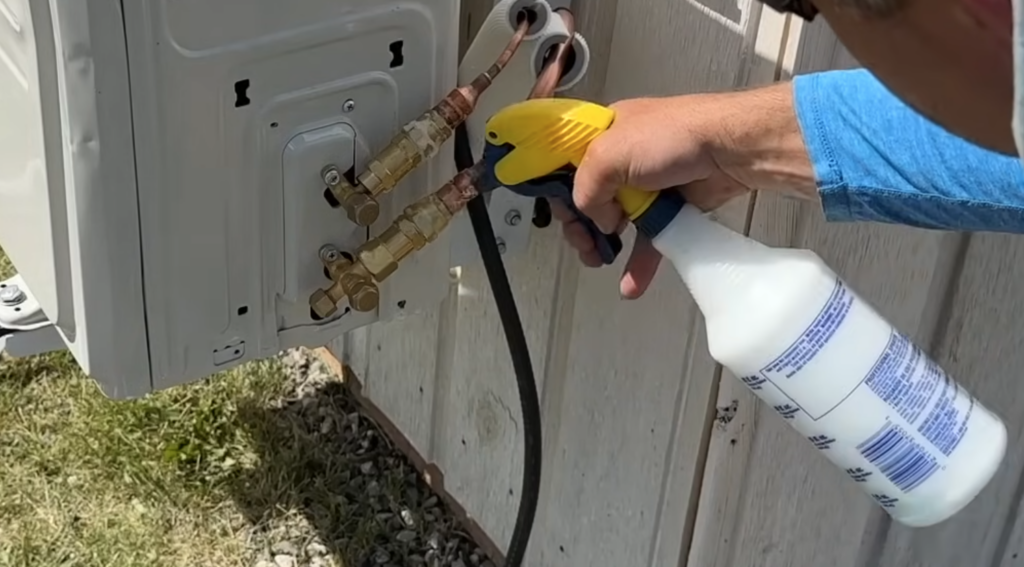
- Spray all connections with soapy water to check for leaks
No bubbles = you are good to go.
Step 7: Insulate and Cover the Line Set
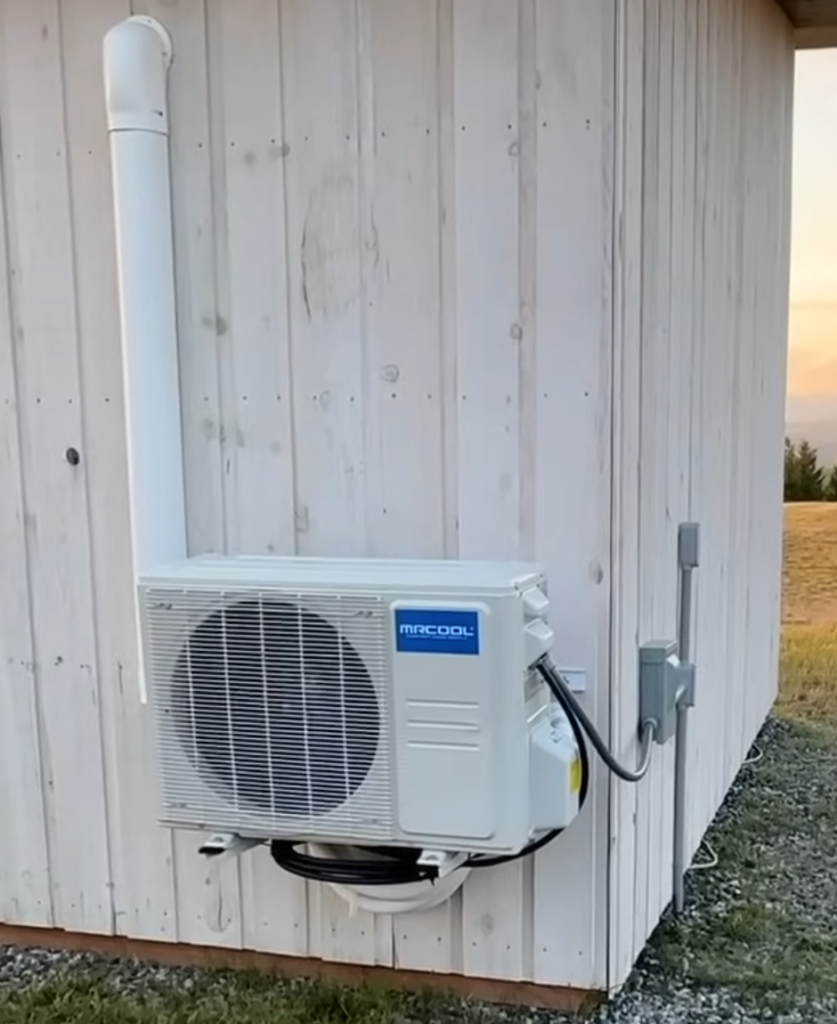
After confirming no leaks you want to wrap fittings with sound-deadening pads and add insulation to exposed pipe. Then wrap everything with UV-rated tape from bottom to top.
For a cleaner look, I installed the Mr Cool line set cover, which:
- Protects the lines
- Improves appearance
- Gives the install a professional finish
Step 8: Electrical Hookup (120V System)
This 12,000 BTU unit runs on 120V power.
My setup includes:
- Dedicated breaker in subpanel
- Outdoor disconnect box
- Labeled wiring inside condenser (super helpful). Each wire was labeled to know where the connection would be.
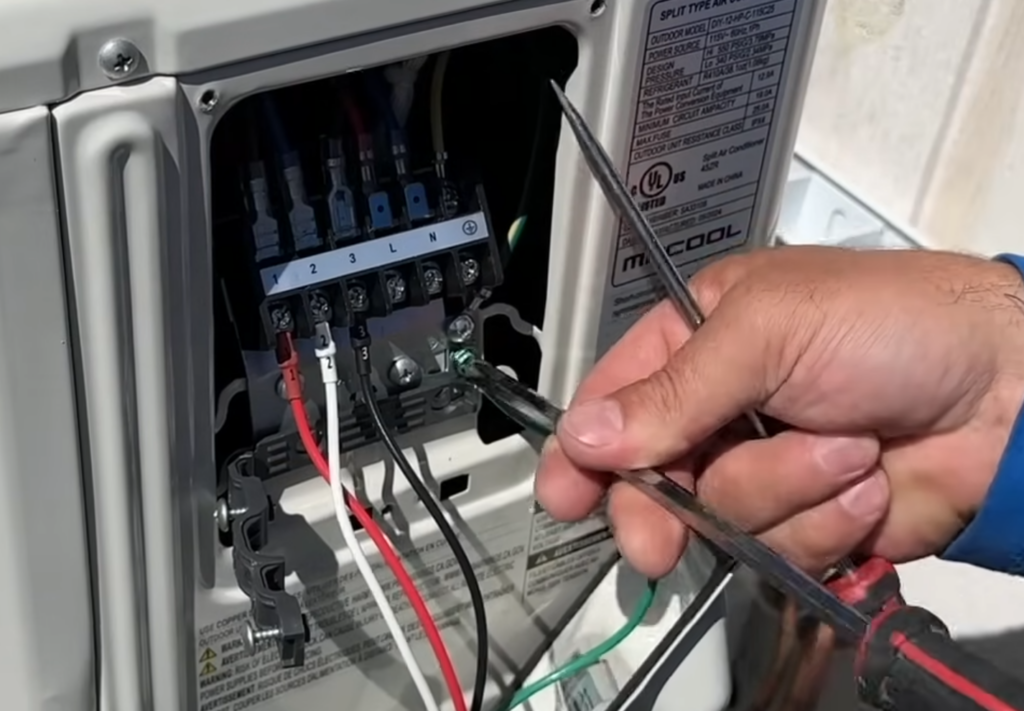
If you’re not comfortable with electrical work, hire an electrician.
Once wired you can then restore power, flip the breaker and you're ready to fire up the unit.
First Startup & Performance
The system I installed includes a handheld remote and aUSB smart key for Wi-Fi app control which as been great to be able to cool or heat the building fast and quietly. We have a window AC unit in our home. With a noise comparison the window AC unit is MUCH louder than our mini split unit.
Real-World Results After 2 Years
After running the system for two years through the seasons we have found:
- Heats easily on cold mornings (mid-40s°F) but does not maintain heat if it gets too cold (0s °F) It's rated to heat down to -15°F
- Cools fast on hot afternoons
- Extremely quiet
- Energy efficient
Cost Breakdown
At the time of install:
- 12,000 BTU Mr Cool DIY kit: ~$1,700
- Prices vary by retailer and promotions
Considering the comfort and DIY savings, it’s 100% worth it in my opinion.
Final Thoughts: Is a DIY Mini Split Worth It?
For us, absolutely!
If you have been researching mini split units, this is what we have found using our unit:
- Year-round comfort controlled from an app
- This unit is DIY friendly
- Able to avoid HVAC labor costs
A Mr Cool DIY mini split is very approachable and can realistically be installed in a weekend. We have had zero regrets with our install and it has been very reliable.
Have Questions?
Drop a comment below and let me know if you’ve installed a mini split, if you’re considering one, or where you’d use it (shed, shop, garage, home). We hope this our experience will help you in your research to the right solution for you!
For links and more details on the Mr Cool systems, check my video on the process as well as our follow up project Installing Mr Cool 18K Mini-Split.
If you need more tool recommendations or curious about the tools I trust and use in my builds? Visit my Storefronts on Amazon and Lowes to find everything I recommend for DIY projects big and small!
Cheers!
